Execution is broken.
After a hardware team decides what to build, every change still has to be coordinated across parts, drawings, suppliers, quotes, and people. Teams chase updates, problems surface late, and projects slow down.
The process is technical and company-specific, but the software is either narrow or built around a fixed enterprise model. So execution remains manual and dependent on individual know-how.
Today, hardware teams run sourcing execution in TERIO.
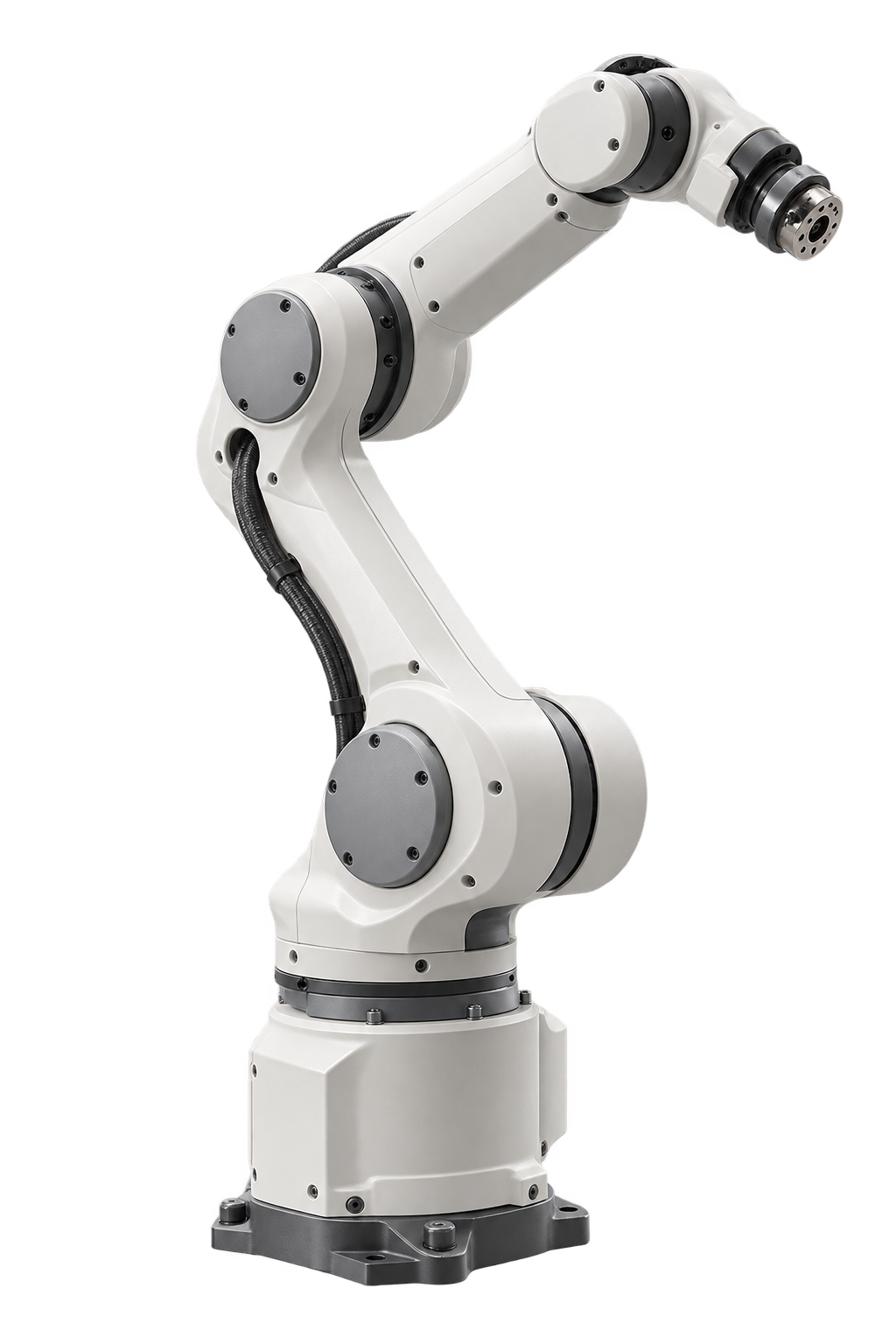 Robotic Arm ProjectAssembly view
| Part / Rev | Qty | Material / Process | Cost | Risk | Source / Lead | Next action |
|---|---|---|---|---|---|---|
| Arm Assembly | 1 | MixedAssembly | TrackedRoll-up | 2 openNamed flags | MixedReview | Resolve blockersProject owner |
| Upper Arm Housing | 1 | Al 6061-T6CNC | QuotedUnit / total | ReadyNo flags | AwardedLead clear | ReleaseEngineering |
| Elbow Bracket | 2 | SS 304CNC | PendingRFQ open | BlockedNo drawing | RFQLead pending | Attach drawingEngineering |
| Wrist Adapter | 1 | Al 7075CNC | UpdatedQuote changed | At riskCost change | QuotedLead at risk | Review quoteSourcing |
TERIO starts with sourcing and expands across hardware execution.
The pressure on hardware execution is rising.
The cost of solving it is falling.
AI is shortening design cycles. Every change that moves forward creates coordination across parts, drawings, suppliers, costs, and people. That work still depends on manual coordination and individual know-how, even as people stay at companies for less time.
At the same time, AI is changing the economics of execution software. A shared core can support different execution flows for each company, making this kind of system viable for hardware teams. As agents move from reading to acting, the context created through execution becomes essential.